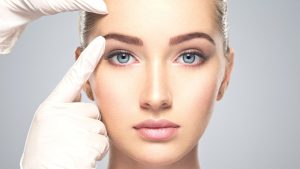
If you’ve ever looked in the mirror and used your fingers to gently pull your skin back, wondering which specific “spots” are responsible for making you look tired or stressed, you aren’t alone. The world of aesthetic injectables and anti-wrinkle injections can feel like a maze of medical terms and biological jargon. However, identifying where you can get Botox is the first step toward reclaiming a refreshed, well-rested version of yourself.
This guide isn’t about chasing a “perfect” face; it’s about understanding the geography of your own expression. Whether you want to soften a persistent scowl or stop your makeup from creasing in forehead wrinkles, knowing exactly where these treatments work will help you have a more productive conversation with your injector.
Understanding Botox: More Than Just a “Frozen” Face
The most enduring myth about Botox, and its cousins like Dysport, Xeomin, and Jeuveau, is that it robs you of your ability to emote. We’ve all seen the “frozen” look of Hollywood past, but modern aesthetics has moved far beyond that. Today, the goal is “baby Botox” or “tweakments”, subtle shifts that leave people wondering if you’ve just returned from a very long, very relaxing vacation.
Botox isn’t a filler; it doesn’t add volume. Instead, it acts as a precise pause button. By strategically relaxing specific facial muscles, we allow the skin on top to smooth out. It’s the difference between a crumpled sheet and one that has been carefully steamed.
How Neuromodulators Work Their Magic
Think of your nerves and muscles as a telephone line. When your brain decides to frown, it sends a signal down the wire. Botox acts like a temporary “Do Not Disturb” sign on that line. It blocks the signal at the junction where the nerve meets the muscle.
When the muscle receives no signal for muscle contraction, it stays in a relaxed state. Over time, the skin above it, which has been folded thousands of times like a piece of paper, begins to flatten. This process doesn’t just treat existing fine lines and wrinkles (static lines); it’s a powerhouse for prevention, stopping dynamic lines from etching themselves permanently into your complexion.
The “Big Three”: The Most Common Treatment Areas
Most patients begin their journey with the “Big Three.” These are the high-impact areas where movement is constant, and the skin is often the thinnest. If you are a beginner, these regions offer the most “bang for your buck” in terms of looking visibly refreshed.
1. Forehead Lines (Frontalis Muscle)
The frontalis is the large muscle responsible for raising your eyebrows. Every time you look surprised or tilt your head up to apply mascara, you are engaging this muscle. Over time, horizontal ridges form across the brow.
Treating the forehead requires a delicate touch. If an injector uses too much, your brows might feel “heavy,” making it difficult to apply eye makeup. A skilled hand places small amounts of toxin across the forehead to soften these expression lines while maintaining enough movement to ensure you don’t lose your natural expressions.
2. Frown Lines or “The 11s” (Glabellar Complex)
Located between your eyebrows, these vertical lines are often called “The 11s” because they usually appear in a pair. This area is the most popular treatment site globally. These lines are the result of squinting, concentrating, or feeling frustrated.
When we treat the glabella, we are targeting a complex of three muscles. Relaxing this area does more than just smooth the skin; it can actually change how people perceive your mood. By softening the “angry” lines, you appear more approachable and open, even when you’re deep in thought.
3. Crow’s Feet (Lateral Canthal Lines)
Crow’s feet are the fine lines that fan out from the corners of your eyes when you smile or laugh. They are often called “character lines,” but for many, they can eventually become deep enough to distract from the eyes themselves.
The skin around the eyes is the thinnest on the entire body, making it susceptible to early aging and damage from sun exposure. Injecting Botox into the orbicularis oculi muscle allows the eyes to remain wide and bright. A great injector knows how to soften these lines without changing the authentic shape of your smile.
Beyond the Basics: Advanced Aesthetic Placements
Once you move past the forehead and eyes, Botox becomes a tool for facial “sculpting.” These advanced placements require a deep understanding of facial anatomy, as the muscles in the lower face are highly interconnected.
Bunny Lines (Nasalis Lines)
Have you ever noticed small diagonal wrinkles on the bridge of your nose when you scrunch it? These are “bunny lines.” While they sound cute, they can become quite prominent. A tiny drop of Botox on either side of the nose can smooth these out instantly. Interestingly, bunny lines often become more noticeable after someone has had their forehead treated, as the nose muscles try to “overcompensate” for the lack of movement elsewhere.
The “Lip Flip” and Smoker’s Lines
The “Lip Flip” has exploded in popularity as a subtle alternative to filler. Instead of adding volume, the injector can address issues like a gummy smile by placing a few units along the upper lip border (the Cupid’s bow). This relaxes the muscle that curls the lip inward, allowing more of the pink vermilion border to “flip” outward.
In this same area, we can treat “smoker’s lines”, those vertical perioral lines that appear even in non-smokers due to straw-drinking or talking. This creates a smoother, more youthful mouth area without the “duck” look sometimes associated with dermal fillers.
Dimpled Chin (Mentalis Muscle)
Some people develop a “cobblestone” texture or chin dimpling when they talk or pout. This is caused by an overactive mentalis muscle. By relaxing this muscle, the chin becomes smooth and can even appear slightly more elongated, which improves the side profile.
Downward-Turning Smile (DAO Muscle)
As we age, gravity and muscle memory can pull the corners of the mouth downward, creating a permanent “sad” or stern expression. By injecting the Depressor Anguli Oris (DAO) muscle, we stop the downward pull. This allows the corners of the mouth to return to a neutral, more pleasant position.
Corrective and Medical-Grade Applications
Botox isn’t just for vanity; it’s a versatile medical tool that addresses structural issues and physical discomfort.
The “Masseter Botox” for Jaw Slimming and TMJ
The masseters are the powerful chewing muscles at the back of your jaw. If you grind your teeth at night (bruxism) or carry stress in your jaw, these muscles can become bulky, leading to a very square jawline and chronic pain.
Injecting the masseters serves two purposes: it provides immense relief from TMJ pain and headaches, and it aesthetically slims the lower face into a more feminine V-shape by reducing the muscle’s bulk.
The Nefertiti Lift (Platysmal Bands)
Named after the Egyptian Queen known for her elegant neckline, this treatment targets the platysma muscles in the neck. These vertical bands can pull the jawline downward. By relaxing them, the jawline becomes more defined, and the neck appears smoother and more “lifted” without surgery.
Hyperhidrosis: Using Botox for Excessive Sweating
For those who struggle with severe underarm sweating that ruins clothes and affects confidence, Botox is life-changing. It blocks the chemical signals that stimulate sweat glands. One treatment can keep underarms dry for six months or longer, proving that this “beauty” treatment has profound practical benefits.
How to Choose the Right Areas for Your Face
Deciding where to get treated isn’t a “one size fits all” checklist. It’s an architectural assessment.
The Importance of Facial Symmetry and Anatomy
No two faces are perfectly symmetrical. One eyebrow might naturally sit higher, or one side of your face might be more expressive. A skilled injector doesn’t just look at the wrinkles; they look at how your muscles interact. They might put three units on your left side and five on your right to create a more balanced, harmonious look. This is why a “cookie-cutter” approach to Botox rarely looks good.
Managing Expectations: What Botox Can and Can’t Do
It is vital to understand the difference between dynamic and static wrinkles. Dynamic wrinkles appear when you move; static wrinkles are there even when your face is at rest. Botox is the king of dynamic wrinkles. However, if a line has been there for twenty years and is very deep, Botox will soften it, but it might not erase it entirely. In those cases, a combination of Botox, laser resurfacing, or medical-grade skincare is often the best path forward.
What to Expect During and After Your Appointment
The procedure itself is surprisingly quick, often called a “lunchtime treatment” because it takes about 15 minutes.
The Consultative Approach
A great appointment starts with a conversation, not a needle. Your injector should ask you to make various faces, squinting, frowning, and smiling, to map out your unique muscle strength. This ensures the placement is precise.
Timeline for Results and Longevity
Unlike filler, which is instant, Botox takes time to work. You might start to feel a “tightness” around day three or four, but the full effect won’t be visible for 10 to 14 days. This is why most clinics schedule a two-week follow-up. On average, the results last three to four months. As the product wears off, muscle movement gradually returns, and you’ll notice your lines slowly reappearing, signalling it’s time for a refresh.
Finding a Qualified Injector: Safety First
Because Botox is so common, it’s easy to forget it is a medical procedure. Your face is your calling card to the world; treat it with the respect it deserves.
Why Experience Matters More Than Price
“Bargain Botox” is often the most expensive mistake you can make. If a price seems too good to be true, the product might be overly diluted, or the injector may lack the anatomical knowledge to avoid complications like “Spock brow” (brows that arch too high) or ptosis (a drooping eyelid). Look for a licensed medical professional, a Board-Certified Dermatologist, Plastic Surgeon, or an experienced Nurse Injector, who has a portfolio of natural-looking results.
Is Botox Right for You?
The beauty of Botox lies in its versatility. Whether you are 25 and looking for “pre-juvenation” to keep lines from forming, or 55 and looking to soften the signs of a life well-lived, there is likely a treatment area that fits your needs.
At its best, Botox doesn’t change who you are; it simply clears away the “noise” of stress and tiredness from your face. When you look in the mirror and see a reflection that matches the energy you feel inside, that’s when you know the treatment has done its job. Start small, find a provider you trust, and remember: the goal is always to look like you, just on your very best day.
If you’re considering anti-wrinkle treatment and want advice tailored to your facial structure, speak with the experienced team at Northern Beaches Cosmetic to discuss the most suitable treatment areas for your goals.